
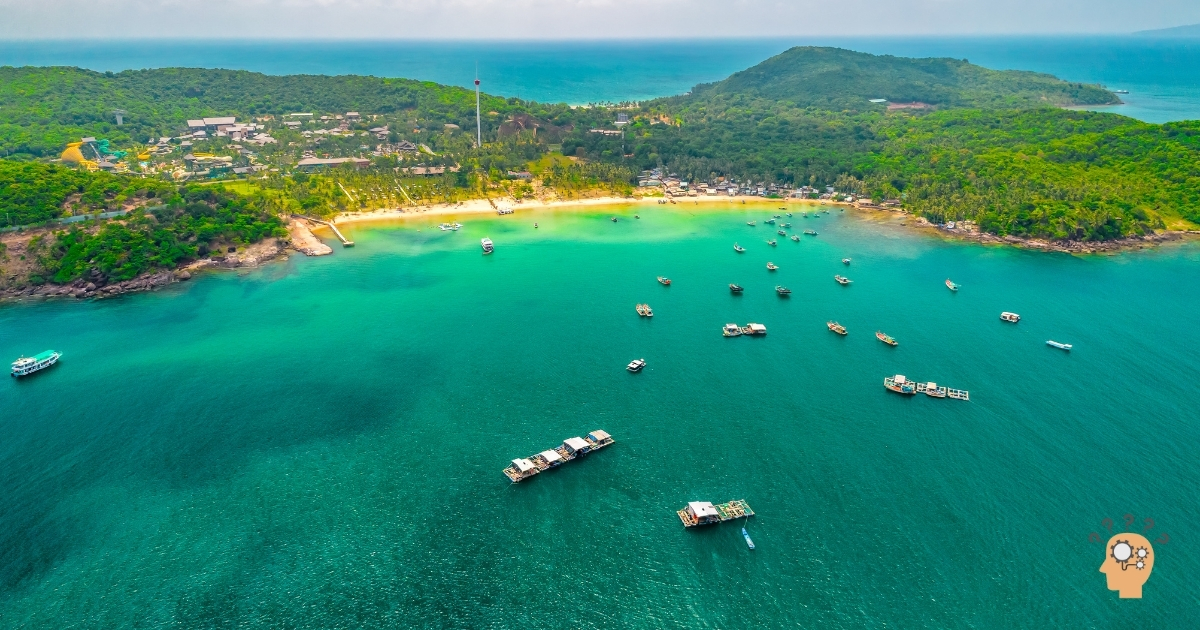
Phu Quoc looks like paradise in photos. White sand beaches, turquoise water, sunset bars, and palm trees lining quiet roads. During peak season, it can genuinely feel like one of Vietnam’s most relaxed and enjoyable island destinations.
But if you’re thinking of visiting Phu Quoc during low season, especially for more than a few days, there’s something you should know first.
It can feel like a ghost town.
Phu Quoc at Its Best
Let’s start with the positives, because when Phu Quoc is good, it really is good.
During peak season, roughly from November to April, the island comes alive. Flights are frequent, restaurants are open, tours are running daily, and there’s a noticeable buzz around the main areas like Duong Dong and Long Beach.
The weather is dry and predictable. Beach days are easy to plan. Snorkelling, island hopping, and boat trips actually happen instead of being cancelled last minute. Food delivery apps work smoothly, Grab drivers are everywhere, and most businesses operate normal hours.
If you’re a short term traveller or on holiday, peak season Phu Quoc makes sense. It feels like a proper destination.
Low Season Is a Different Reality
Low season tells a completely different story.
From around May to October, many parts of Phu Quoc slow down to the point where they almost stop. Rain becomes unpredictable, seas turn rough, and tourists disappear. What’s left behind is an island that feels half shut down.
Shops close without warning. Restaurants that appear open on Google Maps are often locked when you arrive. Entire streets can feel abandoned, especially outside of the main town areas.
It’s quiet in a way that goes beyond peaceful. It’s empty.
Daily Life Becomes Inconvenient
One of the biggest surprises for long stay visitors is how difficult basic services become in low season.
Food delivery can be unreliable or unavailable depending on where you stay. Some days there are no drivers. Other days, only a handful of restaurants are even accepting orders.
Laundry services are harder to find. Many close temporarily during low season, and those that stay open often operate on reduced schedules. Same day or next day service is not guaranteed.
Even getting basic items delivered can be frustrating. Courier services slow down, deliveries take longer, and some drivers simply refuse trips to quieter parts of the island.
What feels easy and convenient during peak season suddenly requires planning, patience, or giving up entirely.
Fewer People Means Fewer Options
Low season also strips away choice.
Gyms close or reduce hours. Cafés shut down. Bars that looked lively online become dark, empty buildings. Tours run only if enough people book, which often means they do not run at all.
If you enjoy social energy, meeting other travellers, or having options for workspaces, food, and entertainment, Phu Quoc in low season can feel isolating.
This is especially true for digital nomads who expect basic infrastructure similar to Da Nang, Bangkok, or Chiang Mai. Phu Quoc simply does not operate the same way when tourism slows.
Who Low Season Might Be For
To be fair, low season is not bad for everyone.
If you want extreme quiet, do not care about limited services, and enjoy staying in one place with minimal interaction, you might appreciate it. Prices are lower, beaches are empty, and you can go days without seeing many people.
But you need to be comfortable with inconvenience, unpredictability, and isolation.
The Bottom Line
Phu Quoc is not a year round destination in the way many people expect.
During peak season, it’s beautiful, relaxed, and easy to enjoy. During low season, it can feel unfinished, under-served, and strangely empty.
So unless you genuinely enjoy ghost towns, limited services, and very quiet days, Phu Quoc is best saved for peak season.
Sometimes paradise only works when everyone else is there too.


