
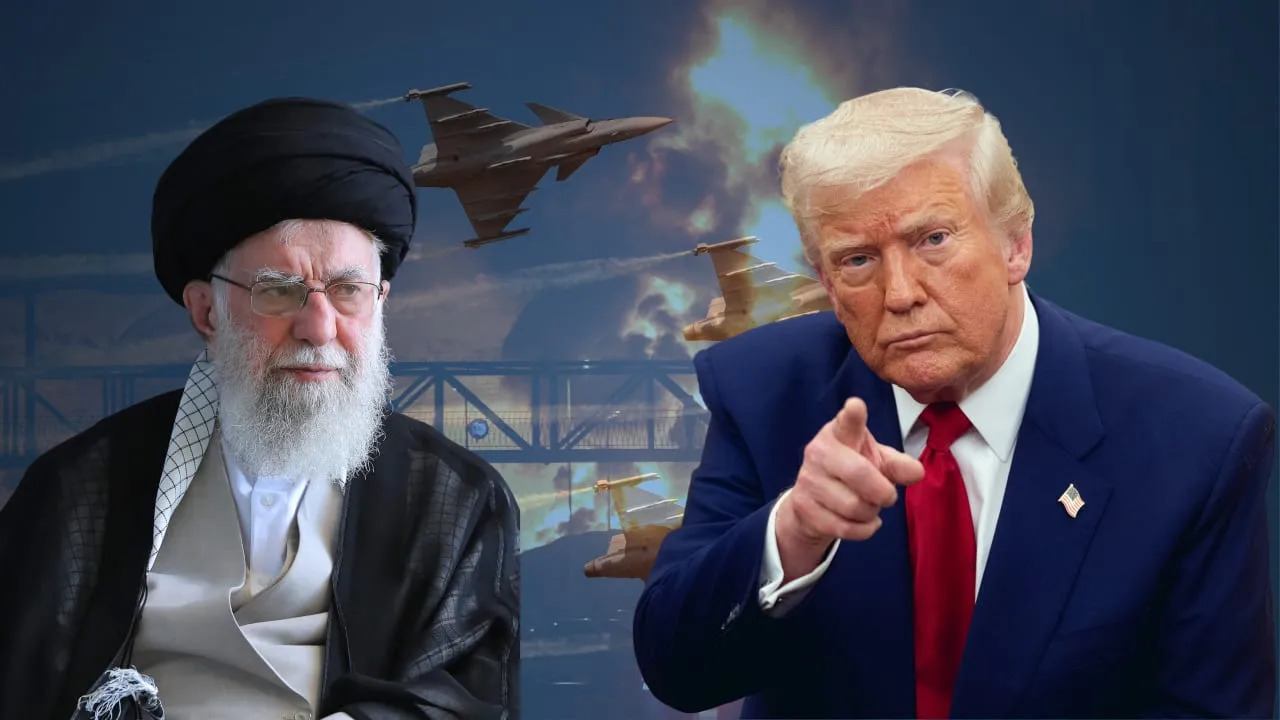
The question many people are asking right now is simple. Is the United States officially at war with Iran?
The short and factual answer is that there has been no formal declaration of war by the US Congress. However, the reality on the ground looks very different. On February 28, 2026, the United States and Israel launched coordinated military strikes against targets inside Iran. These strikes reportedly focused on nuclear and military infrastructure.
Iran has since responded with missile and drone attacks on US bases and regional targets. The situation is now being described by many analysts as active military conflict, even though it is not technically a declared war under US law.
This escalation has immediately affected global travel.
What Is Actually Going On?
The strikes carried out by the US and Israel marked one of the most serious escalations in years of tension involving Iran’s nuclear program and regional influence.
Following the attacks, Iran vowed retaliation. The United Nations Security Council has held emergency discussions, and world leaders have called for de escalation. Despite this, military actions and counter actions continue.
You can read more about the reported strikes here:
https://en.wikipedia.org/wiki/February_28,_2026_US%E2%80%93Israel_strikes_on_Iran
And coverage of the UN response here:
https://apnews.com/article/9140bca9241fb99be8cb3cff2c650741
How This Is Already Affecting Travel
Even though the conflict is centered in the Middle East, travel disruption has spread globally.
Airspace Closures
Several countries in the region temporarily closed or restricted their airspace after the strikes. This included Iran, Israel, Iraq, and several Gulf states. Major airports in Dubai, Doha, and Abu Dhabi experienced suspensions and delays.
When Gulf airspace is restricted, it affects routes between Europe, Asia, Africa, and Australia. The Middle East acts as a bridge for global aviation.
Reports on flight disruptions and airspace closures can be found here:
https://www.business-standard.com/world-news/west-asia-airspace-closures-disrupt-travel-as-us-israel-strike-iran-126022800579_1.html
Flight Cancellations and Rerouting
Airlines have cancelled or rerouted hundreds of flights. Some aircraft are taking longer paths to avoid restricted zones. This increases flight times and fuel costs, which can later impact ticket prices.
Tens of thousands of passengers were reportedly stranded or forced to rebook during the initial escalation.
Coverage of these disruptions can be read here:
https://www.financialexpress.com/world-news/us-iran-conflict-flight-chaos-hitsnbspinternational-airports-mass-flight-suspensions-leave-over-150000-stranded/4158397/lite/
Travel Advisories
Governments have updated travel warnings for parts of the Middle East. Many countries are advising citizens to avoid travel to Iran and certain neighboring areas.
The US has issued worldwide security alerts for Americans abroad due to possible disruptions and unrest.
More details here:
https://www.livemint.com/news/us-issues-worldwide-caution-for-americans-after-iran-strike-flags-potential-travel-disruptions-11750639196850.html
Could This Get Worse?
That depends on whether escalation continues.
If the conflict expands, we could see:
• Extended airspace closures
• Higher fuel costs and rising airfare
• Insurance premium increases for airlines and shipping companies
• Further travel advisories or evacuation efforts
The Strait of Hormuz is also a major global shipping route. Any disruption there could impact oil prices, which eventually affects airline costs and travel expenses worldwide.
Should You Cancel Your Trip?
At the moment, it depends on where you are flying.
If your trip involves transit through the Gulf region, you should monitor your airline closely. Check official airline websites rather than relying only on third party booking platforms.
If your trip is not passing through the Middle East, disruption risk is lower, but indirect delays are still possible.
Do not cancel flights prematurely unless advised. Airlines are more likely to offer full refunds or flexible rebooking if they cancel the flight themselves.
Travel insurance that covers political disruption is especially important right now.
The United States has not officially declared war on Iran, but active military operations are taking place. That distinction matters legally, but for travelers the impact feels very real.
Airspace closures, cancelled flights, travel warnings, and rising costs are already affecting global aviation. Whether this becomes a prolonged regional war or stabilizes through diplomacy will determine how long the disruption lasts.
For now, flexibility and awareness are key.


