
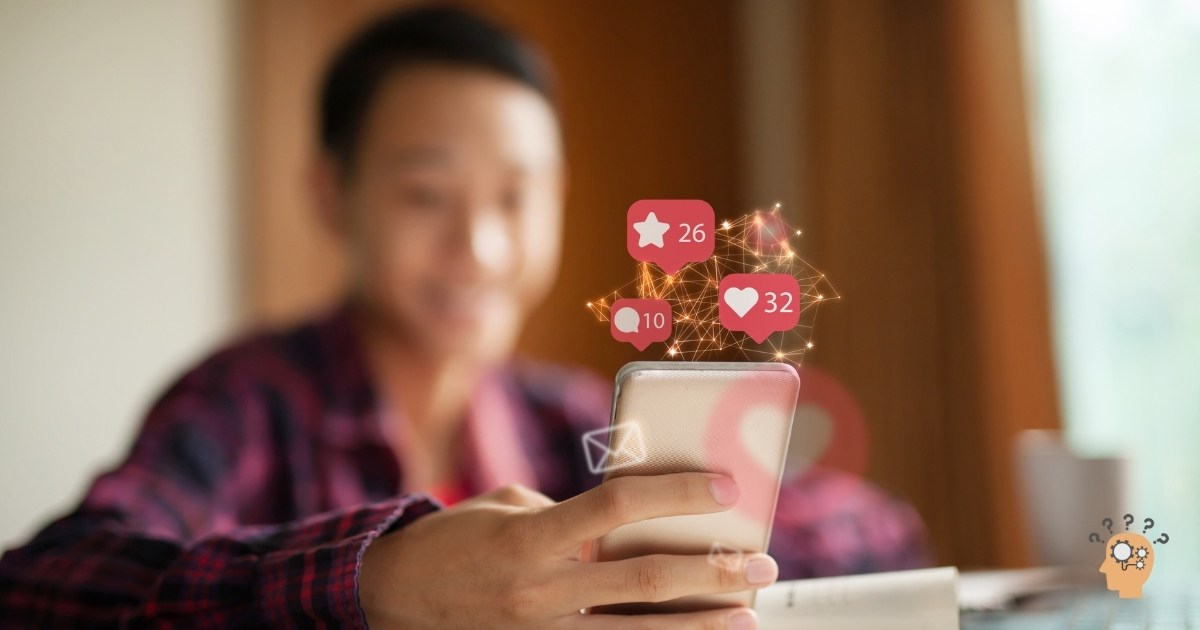
The persistent vibrations against your thigh, the insistent chime of notifications, the almost magnetic pull your fingers feel towards the sleek surface of your phone – these sensations are the hallmarks of our digital era. What lies within that glowing rectangle isn’t just a world of information, it’s a carefully orchestrated ecosystem of apps, algorithms, and interfaces all vying for a piece of your most precious resource: your attention. Social media, in particular, has mastered the art of keeping you hooked, and the uncomfortable truth is: you’re not just the user, you’re a vital part of the product.
The Psychology of the Pull
Let’s step away from the screen for a moment and consider the allure of the classic slot machine. The flashing lights, the whirling symbols, the intoxicating sound of coins cascading after a win – every element is designed to trigger a powerful sense of anticipation and excitement. The promise of a reward, however uncertain, is enough to keep players glued to their seats, pulling the lever again and again.
Social media platforms operate on a strikingly similar principle. The endless scroll of perfectly curated images, the stream of rapid-fire updates, the satisfying red notification bubbles – they are the digital equivalents of those flashing lights and enticing sounds. Each time you pull down to refresh your feed, you’re essentially pulling a virtual lever, hoping for a reward. It might be a witty comment from a friend, a flood of likes on a post, a viral video that makes you laugh out loud, or even the simple distraction from a moment of boredom.
The Dopamine Connection
The key to understanding the irresistible pull of social media lies in a tiny yet potent chemical messenger in our brains: dopamine. This neurotransmitter is intricately involved in our reward system, signaling feelings of pleasure, motivation, and reinforcement. When we engage in activities that deliver a dopamine surge – whether it’s eating a delicious meal, achieving a goal, or having a satisfying social interaction – our brains effectively say, “That felt amazing! Let’s do that again.”
Social media companies have become masters at manipulating this dopamine response. Each like, each comment, each share, delivers a tiny hit of feel-good dopamine, reinforcing the behaviors that led to that sensation. This is not happenstance; it’s meticulously designed. The architects of these platforms understand human psychology on a frighteningly deep level, and they use that knowledge to keep you scrolling, tapping, and posting.
Engineered for Uncertainty
The most insidious aspect of social media’s addictive pull lies in the unpredictability of the rewards. Just like a gambler can’t predict when the slot machine will hit the jackpot, you never know what awaits you when you refresh your feed. Perhaps this time you’ll stumble upon a thought-provoking article, a heartwarming photo, or a hilarious meme. Or, there may be nothing particularly engaging. The beauty, from the platform’s perspective, lies in the uncertainty.
Our brains are wired to respond intensely to novelty and the unexpected. We crave the thrill of surprise, the rush of discovering something new. Social media exploits this inherent drive, constantly dangling the possibility of a delightful distraction, a validation boost, or a dopamine-rich piece of viral content. It’s a gamble, a lottery with your attention as the wager.
You Are the Product
There’s an adage in the digital age that goes, “If you’re not paying for the product, then you are the product.” This rings particularly true with social media. While you might not be shelling out a subscription fee, you are offering something far more valuable – your time, your data, and your behavior patterns. Every interaction, every like, every post you share provides these companies with rich insights into your preferences, your beliefs, and your social connections. This information is then used to target you with tailored advertising, keep you scrolling through carefully curated content, and even influence your emotions and decisions.
Breaking the Cycle
The realization that you’re not just engaging with an app, but rather an ecosystem designed to exploit your attention and monetize your behavior, can be incredibly unsettling. The slot machine in your pocket is programmed to win, and its house edge is your time, focus, and ultimately, your well-being. But awareness is the first step towards breaking the cycle, and reclaiming control in this digital landscape is more essential than ever.
This is a part taken from my book called “Dopamine Trap: How Social Media Hijacks Your Mind”.


